How to Read Food Labels Abroad With Confidence and Ease
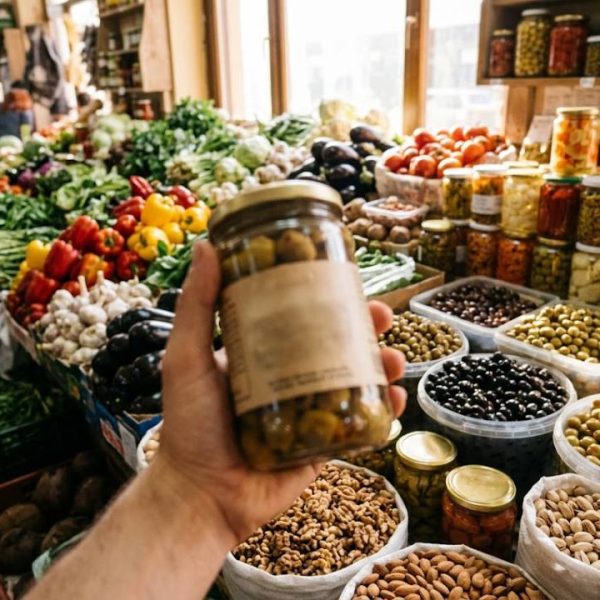
Few travel moments are more humbling than standing in a foreign supermarket, holding a jar and having no idea what is inside. The picture looks like tomato sauce, but the label could just as easily describe a spicy pepper paste or a sweet fruit spread. For people with dietary needs, the stakes are higher than a surprising breakfast.
With a little preparation, reading food labels abroad becomes far less stressful. These tips will help you shop, cook, and eat with confidence in any country.
Learn the Words That Matter Most
You do not need a full vocabulary, only the terms that affect your choices. Write down the local words for the ingredients you avoid, the diets you follow, and the claims you care about, such as sugar free, gluten free, or vegetarian. Keep the list on your phone with a screenshot so it works without a connection.
If you travel regularly, build a small personal glossary and add to it after each trip.
Understand How Labels Are Organized
Rules differ by country, but most labels share a similar structure: product name, ingredient list in descending order by weight, nutrition table, allergen information, and storage instructions. In many regions, allergens are highlighted in bold or capital letters inside the ingredient list, which makes scanning much faster once you know where to look.
The World Health Organization food safety pages explain the principles behind labeling and why clear information matters for public health.
Watch for Look-Alike Words
Some words look familiar and mean something else. A product called a preservative in one language may sound like a condom in another, and sweet and sour terms can swap places in unexpected ways. Do not assume that a word you recognize carries the same meaning. When it matters, confirm with a second source.
Use Apps as Helpers, Not Referees
Camera translation apps are great for a quick look at a packet. They can misread curved jars, stylized fonts, and small print, and they sometimes translate food names literally. Use them to narrow choices, then double-check anything related to allergies or medical diets with a person or an official source.
Ask Questions at the Counter
Shop assistants, bakers, and market sellers are usually glad to help. Show a short written note in the local language, such as no nuts please, and point to the product. Written notes are clearer than spoken attempts and leave less room for misunderstanding.
Restaurants are the same. A card in the local language that explains your needs can be handed to the waiter and passed to the kitchen.
Why Language Shapes How Food Is Sold
Brands know that people trust packaging written in their own language. That is why global food companies adapt names, claims, and instructions for each market, instead of shipping a single design everywhere. This overview of native language shoppers shows how strongly language influences buying decisions, from groceries to technology.
Travelers in Turkey and Beyond
Turkish markets are a joy, with spices, dried fruit, cheeses, and olives sold loose or in simple packaging. Labels may be in Turkish only, and local terms for ingredients differ from international names. Visitors who plan to stay for a while, cook at home, or import products back home often need a trusted provider of turkish translation services for packaging, recipes, and product sheets.
Pay Attention to Dates and Storage
Date formats vary, and a day and month can switch places depending on the country. Learn how the local format works, and look for phrases such as best before and use by, which carry different meanings. Storage instructions, such as keep refrigerated after opening, are easy to miss and important for safety.
Shopping for Special Diets
Gluten free, vegan, and halal products are available in many places, yet certification symbols vary. Look for recognized marks and learn what they stand for in the country you are visiting. Where no symbol appears, read the full ingredient list instead of trusting the front of the package.
Keep a Photo Diary of Favorites
When you find a product you like, take a photo of the front and the ingredient list. Later you can look up the words at your own pace, compare brands, and decide whether to buy it again. This simple habit also helps when you want to recreate a dish at home or recommend a product to a friend who shares your dietary needs.
Bring Back Good Habits
Reading labels carefully abroad often changes habits at home. You notice added sugar, long ingredient lists, and unfamiliar additives, and you start asking better questions about what you eat. A few minutes of attention in the aisle pays off long after the trip.
Final Thoughts
Food labels tell a story about what is inside, where it comes from, and how to use it. Learn a short vocabulary, understand the structure, and combine technology with human help. Then every market becomes a place to explore instead of a source of worry.